


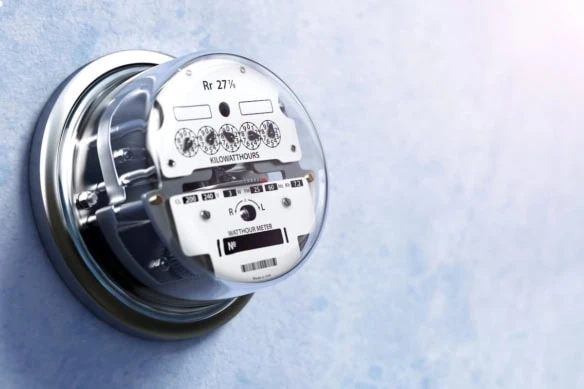
Do you live somewhere that feels like an oven in the summer? How about somewhere so cold during winter that your face hurts when you walk outside? Maybe a place that goes through both?
As a general rule, if you go through either extreme, you may face hefty energy bills trying to keep your home comfortable.
This summer is particularly scorching, with the potential to rank as one of the hottest summers on record. That’s a problem on its own. But electricity costs have also been on the rise, creating a one-two punch of economic pressure. The National Energy Assistance Directors Association predicts that American households will spend 10.5% more to cool their homes than they did last year, from $717 in 2025 to $792 in 2026.
If you’re looking to lower your energy costs, read on. We’ll talk about some simple adjustments you can make to reduce your energy bill.
Featured Financial Products
How to Lower Your Cooling and Heating Bills
Temperature is a major factor in both your comfort and mood. Many people can’t sleep if they feel too hot. Some people experience joint pain when it’s too cold.
Maintaining a “Goldilocks” temperature can be costly, though, so if you’re looking for ways to lower your energy expenses, follow the tips below.
1. Make Slight Temperature Adjustments
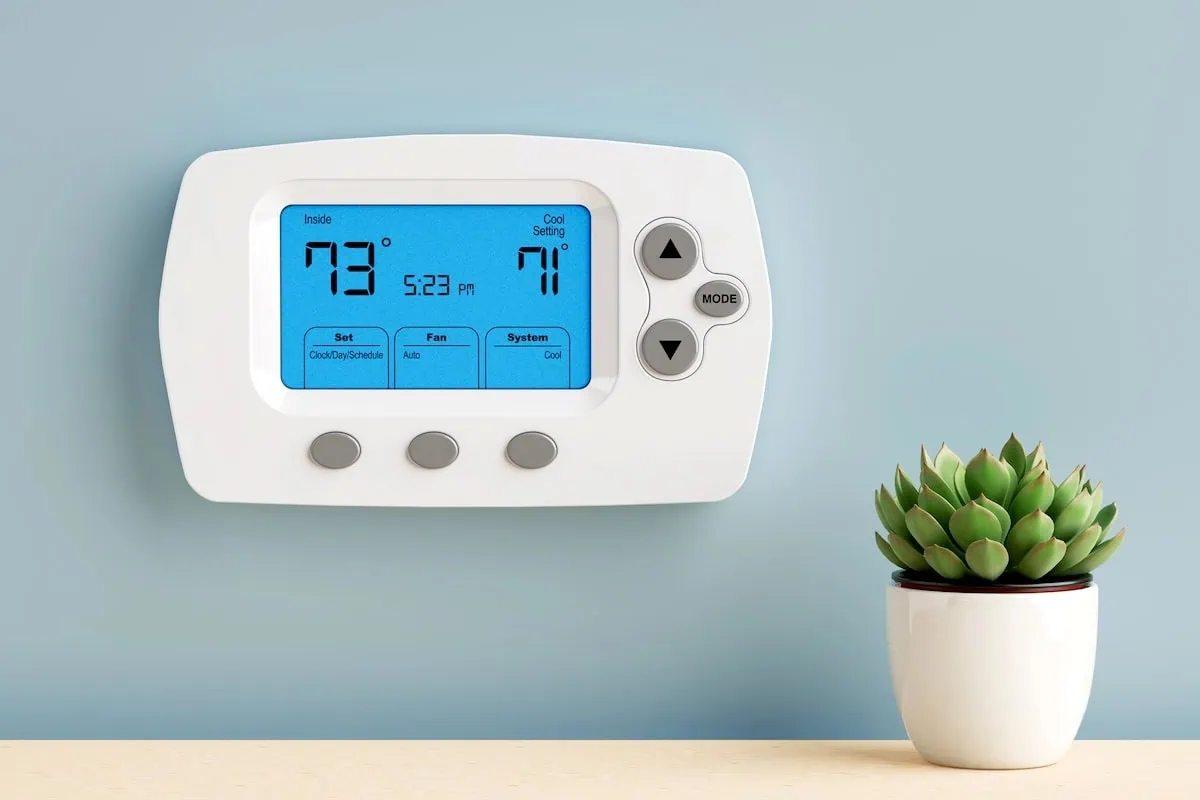
Let’s start with an obvious one. In the summer, increase the normal temperature of your house by just 2 to 3 degrees. In the winter, do the opposite.
Yes, yes—everyone knows that adjusting the temperature can make a difference in your bill. But many people don’t realize how much of a cost difference even incremental changes can make.
Research conducted at the University of Georgia found that a modest raise in building temperatures lowered energy consumption by 19% to 40% without affecting people’s comfort. “We were able to document that there were no thermal comfort perception problems generated by making these fairly small—2- to 3-degree—temperature setpoint increases during the summer cooling season,” said Thomas Lawrence, Professor Emeritus and Director of the American Society of Heating, Refrigerating and Air-Conditioning Engineers.
Even adjusting your thermostat for part of the day—say, keeping your house warmer in summer while you’re at work, or turning the heat a little lower before you go to sleep during the winter—can make a difference. If you think you’ll forget to adjust the temperature on your own, consider installing a programmable thermostat that automatically changes the temperature at set times.
Related: 12 Easy Ways to Lower Your Gas Costs
2. Shut / Open the Shades
When you let in the sun, you’re not just letting in light—you’re letting in heat. After all, there’s a reason that chilly cats like to cozy up on patches of carpet hit by the sunlight.
In the summer, closing your curtains during the hottest parts of the day can make a notable difference in how hard your air conditioning has to work. Conversely, during the winter, leaving your curtains open can help keep your home warm at times, but only if those windows receive direct sunlight.
Blackout curtains and thermal shades are particularly useful. If you’re renting and can’t (or don’t want to) put up new curtains, you can also apply a temporary window film or heat-reflective inserts.
Related: 5 Best Energy ETFs for the Rise of Oil, Natural Gas + More
3. Use Fans the Right Way
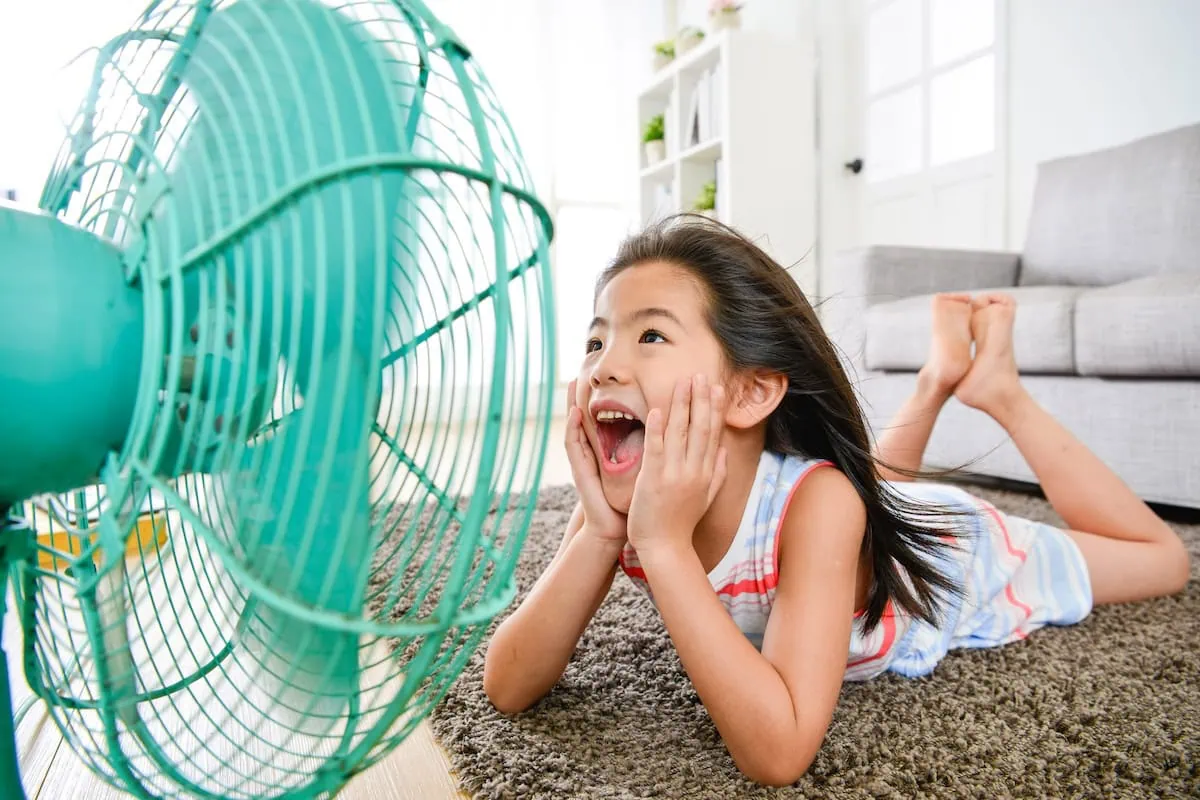
Fans don’t actually cool a room—they just make you feel cooler. That’s fine when you’re in the room. But when you leave, turn them off; keeping them on is just a waste of energy.
Also, if you have ceiling fans, make sure you’re using the right spinning direction for the season. During the summer, if you want to push cool air down, have your ceiling fan rotate counterclockwise. In the winter, set your ceiling fan to clockwise—at a low speed, it can help create an updraft that pushes the warm air trapped at the ceiling down into the living space.
Related: What Is the 90/90 Minimalism Rule?
4. Take Advantage of Public Heat and Air Conditioning
Are you a remote worker or college student? Set your home thermostat to a less comfortable temperature for the energy savings, and instead go to a public place with a more comfortable environment for the day.
Take your work call from a reserved meeting room in a library or study in a quiet coffeeshop. Once you’re home, you can adjust the temperature again.
Just make sure that you don’t go to the extreme here. You generally must keep your home no colder than 55 degrees Fahrenheit and no warmer than 85 to prevent issues like burst water pipes or warped drywall.
Featured Financial Products
Related: Feeling Thrifty? How to Save Money at Thrift Stores
5. Adjust Your Humidity
If you’ve ever been alarmed at hearing how high the temperatures reach in places like Arizona or New Mexico, you might have been told, “But it’s a dry heat.”
Humidity levels affect how different temperatures feel. Proof can be found on your phone’s weather app in the “feels like” section on particularly humid days.
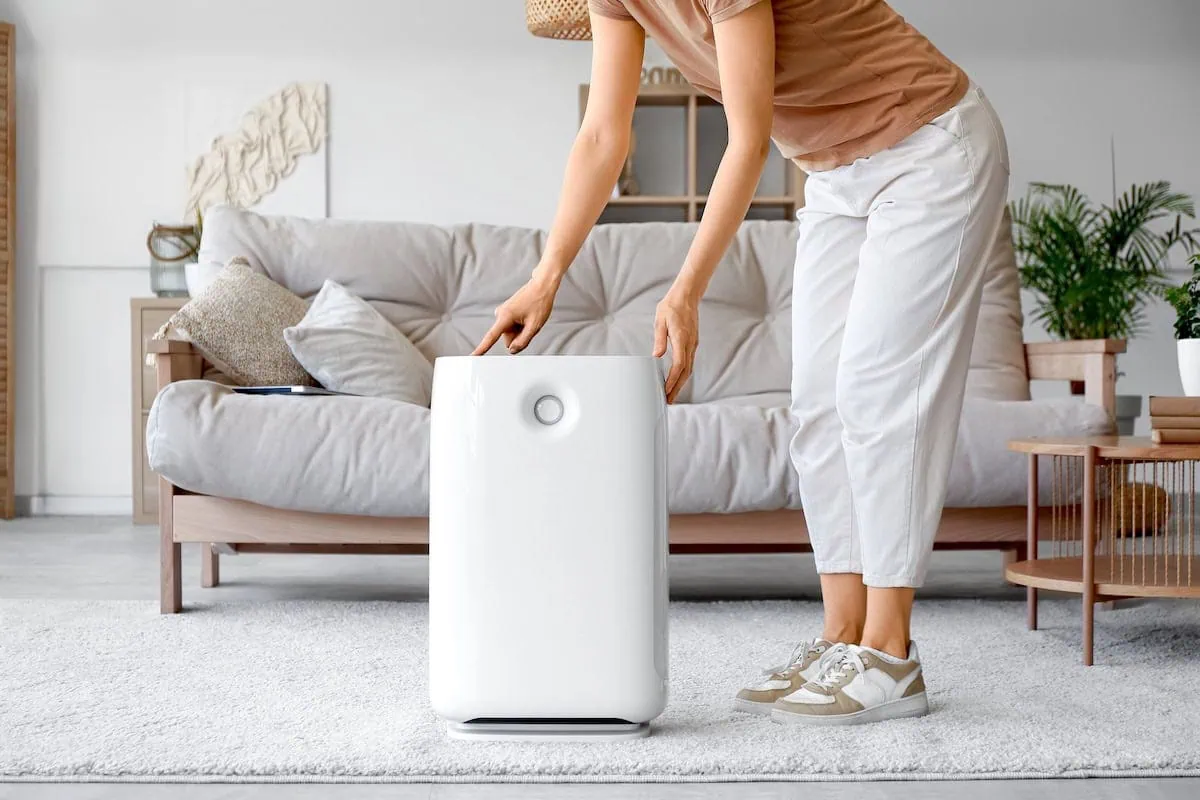
Consider using a humidifier during the winter and a dehumidifier during the summer. Additionally, when you bathe in the summer, always use the bathroom fan to remove heat and humidity. Ideally, bathroom and kitchen fans are vented to the outside, rather than the attic.
Related: Frugal vs. Cheap: What’s the Difference?
6. Keep Your Heating and Cooling Systems Running Efficiently
Heating, ventilation, and air conditioning (HVAC) systems last an average of 10 to 20 years. To extend the life of your HVAC system and keep it running efficiently to save money now, you can perform the following tasks:
- Change air filters regularly.
- Clean your ducts.
- Remove debris from outside HVAC units.
- Avoid putting a television or lamp near the air conditioning thermostat so it doesn’t sense the heat and run longer than needed.
Related: What Is a Flexible Spending Account (FSA)?
7. Be Strategic With Appliance Use
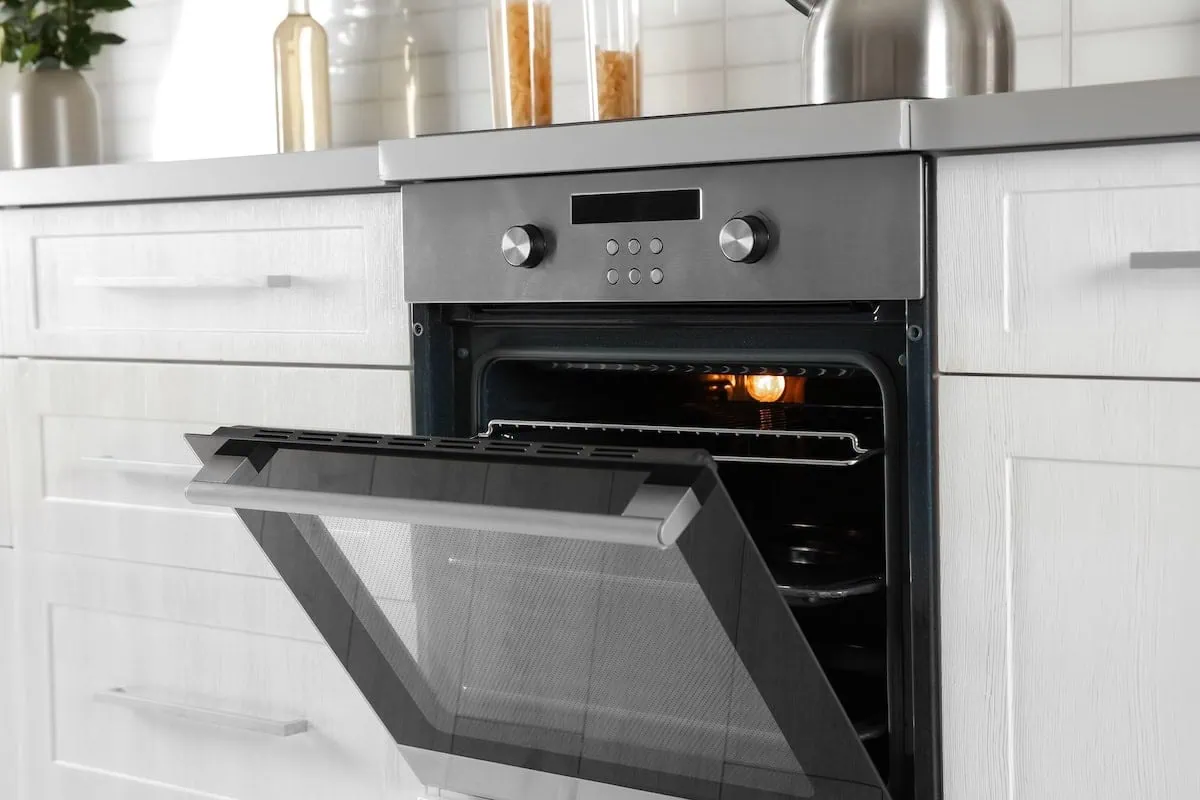
Your washer, dryer, dishwasher, and oven all heat your home. In the winter, you likely don’t mind this. In fact, after using your oven (and turning it off), you can leave the door open for a bit for a nice boost of hot air.
In the summer, however, the heat is a detriment and makes your cooling system work harder.
When cooking, use the exhaust fans in the kitchen. Even better, don’t use the oven and instead grill outside or prepare cooler foods. Some people use clothes lines in the summer to let their clothes air dry, rather than using a hot dryer.
Related: Cooking Costs Heating Up? Here’s How to Save Money Cooking
8. Weatherproof Your Home
Don’t let the outside temperature in or the inside temperature out.
Sealing gaps is an inexpensive fix. A tube of caulk (under $10) closes drafty spots around windows and doors, while weatherstripping tape blocks gaps at frames for just a few dollars per roll. Draft stoppers under doors cost even less. Outlet gaskets ($5 to $10 for a pack) plug electrical drafts. Plastic on interior storm windows is a great way to prevent drafts.
Also, check your attic hatch—it’s often overlooked and can leak significant heat; a simple foam board seal fixes this cheaply.
Related: 7 Car Maintenance Tasks That Save You Money
Do you want to get serious about saving and planning for retirement? Sign up for Retire With Riley, Young and the Invested’s free retirement planning newsletter.