



A great way to think about your golden years is not about winding down, but instead about ramping up the quality of your daily life. After decades of investing in your career, your family, and your future, it’s time to focus on you and your well-being.
And among the ways you’ll do that is by making some strategic upgrades—leveling up what you own, your surroundings … even yourself.
Which upgrades will serve you best? Read on as I discuss a number of life improvements that can make you safer, more comfortable, and better connected during retirement.
10 Ways to Go From Outdated to Upgraded

You’ll want to be thoughtful about what you upgrade in retirement, and how you go about it.
The following ideas aren’t so much about treating yourself as they are about increasing your everyday quality of life. The right upgrades will make you happier, more relaxed, and could even end up saving you money in the long run.
Prioritize the following upgrades in retirement.
1. Communication Devices

Older adults are particularly susceptible to loneliness.
Consider the University of Michigan National Poll on Healthy Aging, a nationally representative survey of Americans aged 50 to 80 years old. According to the most recent poll, which was conducted in 2024, one-third (33.4%) said they felt isolated from others and a lack of companionship in the past year.
Respondents were more likely to say they lacked companionship and felt isolated if they were female, between the ages of 50 to 64, made less than $60,000 per year, or had poor or fair health.
Communication devices, such as smartphones and tablets, can help seniors stay connected with loved ones. Phone calls, video chats, texting, and social media allow them to stay in touch with people without always needing to go somewhere or have someone come to them.
In retirement, don’t scrimp on devices that make you feel social and connected.
2. Home Renovations

Seniors can greatly benefit from upgrading key features of their homes.
Strategic home renovations before you retire, or in early retirement, can make you safer and more comfortable. Some of the renovations you may want to consider include (but aren’t limited to):
- Installing grab bars outside of showers, baths, or toilets
- Switching to induction cooktops
- Replacing flooring to be softer and less slippery
- Installing ramps
- Installing touchless water faucets
You might not need all of these features now, but it’s best to make changes in preparation, rather than waiting until your old layout feels hazardous. Renovations can be expensive, but it’s worth splurging for safety.
Related: 10 Home Improvement Investments That Don’t Pay Off
3. Useful Memberships + Subscriptions

You worked hard during your employment years and now you deserve to let some of your favorite memberships and subscriptions do some of the heavy lifting.
For example, you might upgrade your Sam’s Club membership to the higher tier that includes free select same-day or next-day delivery. Delivery services are especially useful if you have mobility issues or lack transportation options. Or you might get a membership to a local gym, such as the YMCA or Anytime Fitness. It’s important to maintain strength and endurance as you age. Gyms can also be social environments.
Don’t assume you can’t afford the services you seek. Many companies offer discounted memberships and subscriptions for seniors. No, I’m not just referring to AARP discounts (though those can be useful too).
Related: Are You Saving Enough for Retirement?
4. Medical Alert Systems
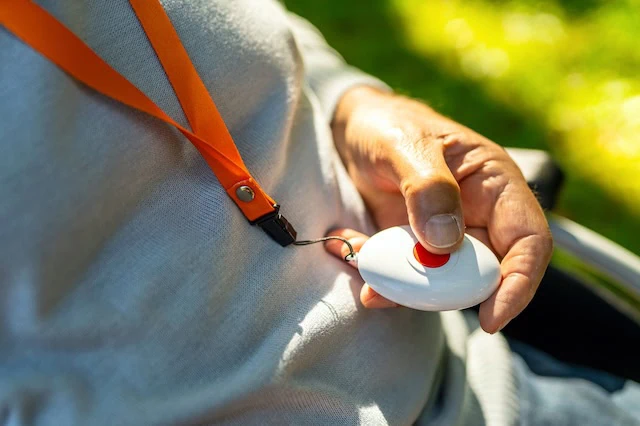
A medical emergency could strike at any time. That’s why older adults—particularly those who live alone—should consider a high-quality medical alert system. These systems usually have fall detection and call buttons. Some are worn as watches or necklaces, while others are put in strategic places in one’s home.
Not all retirees require these systems, but if you have health issues or are often home alone, they might be worth it. Alert systems offer peace of mind not just for you, but also for your loved ones.
Related: How Gen X Can Upgrade Their Retirement Savings
5. Long-Term Care Insurance

While extremely useful, Original Medicare doesn’t cover many expenses. I’m sorry to report that stays in long-term care (LTC) facilities are one such expense you need to figure out on your own.
A person turning 65 today has a nearly 70% chance of requiring some type of long-term care services before they pass away, according to LongTermCare.gov. Around 20% will need it for over five years, and the average length is three years during one’s lifetime. Unfortunately, LTC is expensive. In 2023, the median annual outlay for an in-home health aide was $75,504. For a private room in a skilled nursing facility, it was $116,000. Multiply those numbers by three to five years, and you’re looking at a substantial sum.
Despite the high chance of needing long-term care and the massive price tag that comes with it, only 3% to 4% of people in the United States age 50 and older pay for a long-term care policy, per LIMRA data. If you’re retired, you might want to purchase (or upgrade) your current LTC insurance or consider a hybrid insurance policy or annuity with an LTC element.
Related: Health Care Costs in Retirement [Amounts + Types to Expect]
6. Vehicle Adaptations

Older adults are often stereotyped as being poor drivers … despite statistics that show they rack up fewer incidents and citations on average. Most people can keep driving during retirement, but as you get older, you should make some upgrades to your car or truck to make driving easier.
A few useful vehicle adaptations you might consider at some point:
- Adjustable brake and accelerator pedals
- Tilt and telescoping steering wheel
- Larger dashboard controls
- Automatic tailgate closer
- Automatic side door openers
- Rain sensor for windshield wipers
- Lane departure warning
Depending on your situation and how many of these and other features you need, you may either make these upgrades piecemeal or simply upgrade your entire vehicle to something with these features.
Related: 7 Car Maintenance Tasks That Save You Money
7. Hearing Aids

Hearing loss is extremely common—nearly 30 million American adults have some degree of hearing loss, according to the U.S. Food & Drug Administration (FDA). However, only around one-fifth of those who could benefit from hearing aids pursue intervention.
Don’t let embarrassment get in the way of a high quality of life. Hearing aids not only improve your ability to listen to everything around you (which in and of itself is important for your relationships, safety, and personal enjoyment), but they may also reduce cognitive decline and depression.
Some people put off hearing aids because they dread the expense. But that’s increasingly a worry of the past, too. As of Oct. 17, 2022, the FDA established a new category of over-the-counter (OTC) hearing aids for adults with perceived mild to moderate hearing loss. According to Audiologists.org, prescription hearing aids cost between $1,000 to $3,000 per ear (so $2,000 to $6,000 per pair), while OTC aids cost between $300 to $2,000 per pair.
Over-the-counter hearing-improvement is becoming extremely commonplace, to the point where Apple’s AirPods Pro 3 have a software-enabled hearing-aid feature (and a hearing test) you can access while using newer iPhones, iPads, and Macs.
It’s easier than ever to get audio aids; retirees with impairments should take advantage of them.
Related: 14 Ways Retirees Can Reduce Their Medicare Expenses
8. Travel

Travel isn’t just fun. Research shows that regular travel can reduce Alzheimer’s risk and mortality risk. It can also improve brain and cardiovascular health and encourage social interactions.
Despite its benefits, many older adults fail to travel for a number of reasons.
In some ways, travel is more expensive for seniors. But if you plan ahead, budget, and make use of senior discounts, this is still a worthwhile activity during retirement and one you may want to splurge on a bit.
And even older adults who could afford to travel put it off or don’t do it because they view it as too tiring and/or uncomfortable. Fortunately, there are many ways seniors can upgrade their travel experiences to make it more enjoyable overall.
Older adults can contact train stations or airports to ask about assistance options. For example, some airports have an electric cart service that can transport passengers to their gates. This is an excellent option if you struggle to walk far distances or get lost in crowded areas. Booking direct flights, while typically more costly, can be less draining than having one or more layovers. Seniors might also want to upgrade to a hotel with more amenities or special accommodations, such as one with valet services.
Related: You May Want to Skip These Popular Retirement Rules
9. Security Systems

Some criminals specifically target seniors as they believe they’re weaker and less likely to resist. So whether you fear dangerous home invaders or want to thwart porch pirates, it might behoove you to upgrade your security systems.
One type of home security to consider is automatic door locks. Electronic locks are far more challenging to pick or break, so they work as an excellent deterrent to criminals. They also ensure you won’t forget to lock your door; and if you assign unique entry codes, it’s easy to keep track of anyone who’s coming or going.
Another option is security cameras or video doorbells. These are useful both when you’re home and when you’re away. Cameras can both prevent crimes and catch criminals after the fact. Just make sure to choose a camera or smart video doorbell carefully—some are more secure than others, and they might require a monthly plan.
Related: 5 Critical ‘Last-Mile’ Steps Before Retirement
10. Financial Services

Maybe you had a financial advisor map out your retirement plan; maybe you didn’t. Either way, a financial in retirement can be exceedingly useful, too—especially for high-net-worth individuals (HNWIs). Financial professionals can help you lower your taxes in retirement, develop a financial plan for longevity, create reliable income streams, adjust your withdrawal strategy, and more.
Importantly: You don’t just need assistance in making sure you have enough money to make it through your retirement—you also need to develop a plan for what you want to do with leftover money and assets when you pass away. That could be as simple as an estate plan that names a few individuals or charities, or as far-reaching as a dynasty trust to administer wealth assets for multiple generations.
Related: How to Choose a Financial Advisor